Showing posts with label homemade baby food. Show all posts

Welcome


We are very glad to share with you our experiences and information from multiple sources about raising kids with an Eco & Logical mindset. It reflects our journey to a healthy and meaningful lifestyle!
Here you find easy-to-make homemade recipes for baby food, providing nutritional values and storage techniques. After reading this, you won’t even think about feeding jarred food for the little ones anymore! (ok, except when you travel). Check out the Homemade Baby Food section. Really easy recipes that will save you time and hundreds of glass jars. Busy Logical Moms don’t waste resources!
We also share experiences and valuable information on living an Active Lifestyle. Hopefully we will be able to motivate you to exercise with your kids, teaching them the joy of an active life.
Check out our Logical Traveler section for useful tips on traveling with kids. Top advices from experienced world travelers!
Please send us your comments and suggestions for topics. We want this site to be interactive, a rich resource for you and other parents! Information with an Eco & a Logical flare!
The content of this website has no commercial link to any brand mentioned in any of its pages.
Thank you,
Eco.Logical.Mom
Rated one of the Best Blogs for Moms by StrollerTraffic
© Ecologicalmom.com 20012. All Rights Reserved.

Veggies and Legumes Recipes (Stage 1)

Stage 1 is appropriate for babies 6-8 months, during the initiation to solid foods.

All recipes suggest the use of organic ingredients. If you can, opt for organic food, especially when your little one is growing so quickly!

For a list of non-organic vegetables and fruits with the highest and lowest load of pesticides available in the market, please click here.


  • Sweet Potato (very nutritious and babies love it!!)

- 1 lb. organic sweet potato

- 3 cups of water

Wash thoroughly the sweet potatoes with a brush. Don't peel them. Cut them in pieces and boil in water.

After about 20-25 minutes poke them with a fork. When the pieces are very soft and tender, remove the pan from the stove and wait until it cools off. Don't throw the water away, it contains several minerals and vitamins. When the pieces are cold enough, peel them, get rid of the skin. Mash or blend the peeled pieces in the water you used to boil them. Using a hand mixer, or a blender will make it very smooth for the baby.

Preparation time: about 30 minutes.

Nutritional value: high in beta carotene (it is orange!), vitamin A, and potassium. Also contains calcium, folate and vitamin E.

  • Cauliflower

- 1 lb. organic cauliflower

- 1 1/2 - 2 cups of water

Wash thoroughly the cauliflower with water. Cut the florets and stems in pieces and boil in water.

After about 15 minutes poke them with a fork. When the stems are very soft and tender, remove the pan from the stove. Don't throw the water away, it contains several minerals and vitamins. Blend the content with a hand mixer, or a blender until it turns into a smooth paste.

Preparation time: about 25 minutes.

Nutritional value: high in vitamin C, A and Calcium.

  • Carrots

- 1 lb. organic carrots

- 2 cups of water

Peel the carrots and wash them thoroughly with water and a brush. Cut the carrots in chunks and boil in water. You can also use a steamer basket.

After about 20 minutes poke them with a fork. When the carrots are soft, remove the pan from the stove. Get rid of the water, it contains nitrates* that are not suitable for babies. Blend the carrots with about 1 cup of mineral water using a hand mixer, or a blender until it turns into a smooth paste.

Preparation time: about 25 minutes.

Nutritional value: high in beta carotene, vitamins A, C and Calcium.

*Organic foods are grown without the use of commercial nitrate fertilizers, therefore the risk of nitrate concentration is minimized. By the time a baby is six months old, its digestive system is fully developed, and the amount of hydrochloric acid in a baby's stomach kills most of/or all the bacteria that convert nitrate to nitrite. In older children and adults, nitrate is absorbed and excreted.
  • Squash

- 1 lb. organic squash (Butternut, Acorn or Winter)

- 2 cups of water

Cut the squash in half and remove all seeds. Wash it thoroughly with water and a brush. Bake it for about 50 minutes in a pan with about 1 inch of water. Set the oven to 400 degrees F. Poke the flesh with a fork. When it is soft, scoop it from the skin and blend with enough mineral water to make a smooth paste.

Preparation time: about 60 minutes.

Nutritional value: high in calcium, potassium, vitamin A, carbohydrates and fibers.

  • Green Beans

- 1 lb. organic green beans

- 1 1/2 cups of water

Wash thoroughly the green beans with water. Boil or steam the beans for about 15-20 minutes, until tender consistency. Remove the pan from the stove. Don't throw the water away, it contains several minerals and vitamins. Blend the content with a hand mixer, or a blender until it turns into a smooth paste.

Preparation time: about 25 minutes.

Nutritional value: high in vitamin C, A, and calcium, potassium and iron.

  • Sweet Peas

- 1 lb. organic peas (natural or frozen)

- 1 - 1 1/2 cups of water

Wash thoroughly the peas with water. Add the water and boil. After about 15 minutes poke them with a fork. When they are tender, remove the pan from the stove. Don't throw the water away, it contains several minerals and vitamins. Blend the content with a hand mixer, or a blender until it turns into a smooth paste.

Preparation time: about 25 minutes.

Nutritional value: high in vitamin C, A, B and calcium, potassium and phosphorus.

Baby Food Recipes

Pediatricians recommend the introduction of solid foods at 6 months of age, although some doctors are ok with starting it a couple of months earlier. We think that breastfeeding at least until 6 months of age provides the ideal nutrition for babies.

Homemade solid foods for babies are the easiest to make, and a lot more nutritional than jarred foods. Preparing one single vegetable, legume, chicken, or fruit each time is very simple and fast. A very easy technique is to freeze the food in cubes, like ice cubes, and defrost 3-5 cubes per meal. Make sure you mix different flavors each meal for outstanding nutritional value, including a protein (chicken, fish, etc), a green and a yellow vegetable, legumes, and grains.


Freezing Baby Food is Very Easy!

All you have to do is boil or roast the veggies, legume, grains, etc, and blend it with a bit of water (see recipes below). Transfer the content to clean and sanitized ice cube trays. You can buy cube trays specifically made for baby food at baby stores. They come with a cover (e.g.kidco trays). Or, if you use regular ice cube trays, cover them with a plastic film before placing them in the freezer.

Sanitizing the ice cubes is important, and easily done through the dishwasher.

After about 10-15 hours in the freezer, the content is frozen. It is time to transfer the cubes to a labeled and dated plastic bag. Store in the freezer. We recommend using it for a month to guarantee freshness and taste, however several sources confirm that it is safe to freeze the food for 3 months without any problem.


Veggies and Legume Recipes (Stage 1)

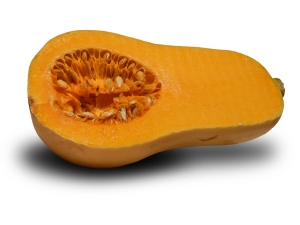
1158683_butternut_squash_3

Stage 1 is appropriate for babies 6-8 months, during the initiation to solid foods.

All of our recipes suggest the use of organic ingredients. If you can, opt for organic food, especially when your little one is growing so quickly! (Scrow all the way down for a list of non-organic vegetables and fruits with the highest and lowest load of pesticides available in the market).

Click here to see all Stage 1 recipes.


Veggies and Legumes Recipes (Stage 2)

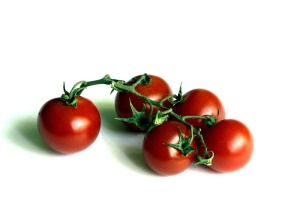
tomate
Stage 2 is appropriate for babies older than 8 months.

Click here to see all Stage 2 recipes.


Fruits (Stages 1 and 2)

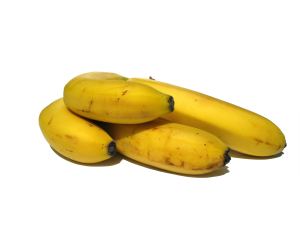
banana

Some moms believe that fruits should be introduced a couple of weeks after the vegetables. The reason is purely taste! Fruits are sweeter and babies may not like vegetables if introduced to fruits first.

Good options to introduce fruits are apples, pears, bananas, avocado, papaya, plums and prunes.

Click here to see all Fruit Recipes (Stages 1 and 2).


Great Finger Foods

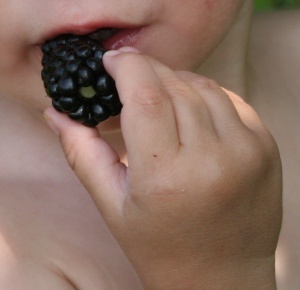
finger food 2 (2)

Around 9 to 10 months of age, a baby has developed enough motors skills to allow her to use the fingers to pick up food. This is a good time to start introducing finger foods. Kids usually have fun and enjoy developing their independence at this age, and this will work as a transition to eating with utensils at a later stage.

Click here to see all Finger Food recipes.


Organic Ingredients, Not Always Necessary


We all know that pesticides are not good for our bodies. The exposure to toxic chemicals can have an even more adverse effect in children. The metabolism of a fetus, infant and child is less able to metabolize and inactivate toxic chemicals, being more vulnerable to the harmful effects of pesticides.

Consuming organic food minimizes the problem, but it is generally expensive, and not accessible to everybody. The Environmental Working Group developed a list of vegetables and fruits that contain the highest amount of pesticides, and the ones that are generally clear. So, be wise and don't spend the extra cash when not necessary.

Click here to see the rank of fruits and veggies with the highest and lowest load of pesticides.


Fish and Mercury: What to Avoid


We keep hearing about high mercury levels in fish, but always wondered which ones are safe to consume. The Environmental Working Group released a useful list of what to eat, and when.

Click here to access the list.


© Ecologicalmom.com 2009. All Rights Reserved.

Information in this website is not meant to be taken as medical advice, we are not licensed medical physicians; the information presented should not replace the medical advice of your doctor or pediatrician. Contents may not be reproduced for other use without the express written consent of ecologicalmom.com.